
← Blog · January 5, 2025 · Refractive Surgery
Are you eligible for refractive surgery?
By Dr. Hemali Doshi
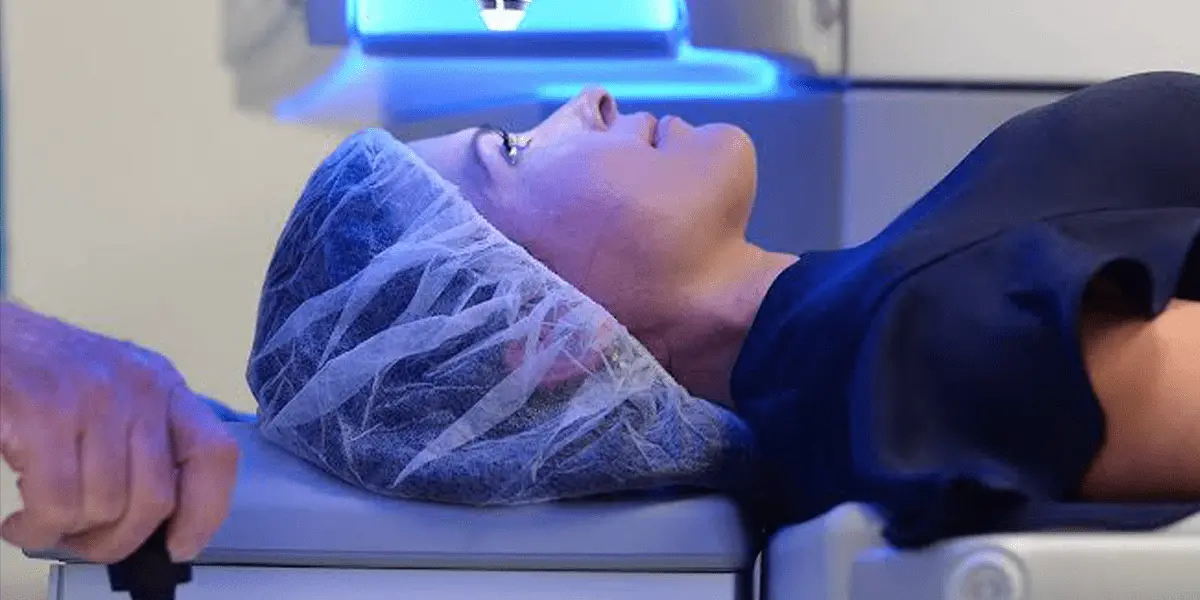
Are you thinking about getting rid of your glasses or contact lenses with refractive surgery? Let's find out if you're eligible.
There are multiple types of refractive surgeries available today — LASIK, PRK, SMILE, SILK, and others. Below is a walk-through of the general eligibility criteria.
Who is eligible?
1. Age and stable vision
A person undergoing refractive surgery needs to be at least 18 years old, with stable vision — i.e., no change in refractive error (glasses power) for at least a year. This is very important: stable refraction is paramount to a successful refractive surgery. Your doctor will advise the right time to undergo the procedure.
2. Common refractive errors — myopia, hyperopia, astigmatism
Refractive surgeries can correct:
- Myopia (near-sightedness) — the most common refractive disorder today. By 2050, half the world is projected to be myopic. Refractive surgery is an excellent treatment.
- Hyperopia — far-sightedness, or "plus" (+) power.
- Astigmatism — cylindrical refractive error.
3. No disqualifying ocular conditions
Certain eye conditions make refractive surgery riskier or complex. We screen for:
- Keratoconus — the most important contraindication. Refractive surgery can significantly worsen this condition.
- Significant dry eye — surgery can worsen dryness, sometimes long-term.
- Ocular trauma — pre-existing damage can complicate the procedure and recovery.
4. Adequate corneal thickness
Your doctor will run specific tests — corneal topography on the Pentacam being the key one — to determine your corneal thickness and shape. Refractive surgery partially removes corneal tissue; without a safe minimum thickness, complications rise sharply. This is where it matters to consult an ophthalmologist who is specifically fellowship-trained in refractive surgery and who genuinely understands corneal topography — not just the brand of laser.
Who is not eligible?
There's a saying in surgery we live by:
"An average surgeon knows how to operate. A good surgeon knows when to operate. A great surgeon knows when not to operate."
Identifying who shouldn't have refractive surgery is as important as identifying who should. Common contraindications:
1. Pregnant or breastfeeding women
Hormonal changes alter refractive power. Wait until after pregnancy and breastfeeding before undergoing surgery.
2. Unstable refractive errors
If your number is still changing frequently, surgery will likely lead to regression — needing glasses again within months or a couple of years.
3. Specific ocular and systemic conditions
Keratoconus, significant dry eye, uncontrolled diabetes and certain auto-immune conditions can all make a person ineligible. A detailed pre-operative work-up is essential.
The takeaway
Eligibility for refractive surgery varies from person to person. Multiple procedures exist — LASIK, SMILE, SILK, PRK — and the right one depends on your eyes, not on what's trending. A detailed evaluation is the only way to know.
At Arham Eye Care, we'll tell you honestly which procedure (if any) is right for you. If you're not a candidate for the standard refractive options, there are still alternatives — more on that in a future post.